-

Learn how to configure Virtual Machine Scale Sets on Azure
Azure Virtual Machine Scale Sets (VMSS) allow you to deploy and manage a set of identical VMs that can automatically scale to meet demand. VMSS provides high availability, load balancing, and automated scaling of your application, helping ensure that it can handle varying traffic loads… [ Read More ]
-
Learn how to configure Azure Blob Storage in Azure
Configuring Azure Blob Storage involves creating and managing a storage account, setting up the necessary blob containers, and configuring access permissions. Below is a step-by-step guide for configuring Azure Blob Storage. Create a Storage Account Azure Blob Storage requires a storage account as its foundation.… [ Read More ]
-
Learn how to choose your Storage account settings in Azure
Choosing the right account settings in Azure involves configuring your Azure resources, like storage accounts, to meet your business, performance, and compliance requirements. Here's a guide to help you make informed decisions about your account settings in Azure. Choose the Storage Account Type Azure provides… [ Read More ]
-
Learn how to assign Blob Access Tiers in Azure
In Azure Blob Storage, access tiers define the cost and performance characteristics of the stored data. Azure provides different access tiers to optimize storage costs for different usage patterns: Hot: Optimized for data that is accessed frequently. Cool: Optimized for infrequent access data that is… [ Read More ]
-
Learn all about Virtual Machine Storage in Azure
Determining the right Virtual Machine (VM) storage in Azure is essential for ensuring optimal performance, cost efficiency, and reliability. Azure provides different types of storage options for VM disks, each designed to meet specific performance and availability needs. Here's how to determine the appropriate VM… [ Read More ]
-
Learn all about Blob Storage pricing in Azure
Azure Blob Storage pricing is determined by a combination of several factors, including the storage tier, data transfer, redundancy options, and additional features like lifecycle management. Below is a detailed breakdown of the factors influencing Blob Storage pricing in Azure: Storage Tiers Azure Blob Storage… [ Read More ]
-
Learn about Virtual Machine Size in Azure that fits your requirement
Determining the right Virtual Machine (VM) sizing in Azure is critical for optimizing performance and cost. Azure provides a variety of VM sizes and series, each designed for specific types of workloads. The right sizing ensures your application runs smoothly without over-provisioning (which increases costs)… [ Read More ]
-
Learn about various Azure tools to create a Storage Account and how to choose among them
When creating a storage account in Azure, there are several tools you can use depending on your preferences and requirements. Each tool offers different features, ease of use, and access methods. Here are the primary tools available for creating a Storage Account in Azure. Azure… [ Read More ]
-
Learn about Update Domains and Fault Domains on Azure
Update Domains and Fault Domains are fundamental concepts in Azure’s high availability architecture, particularly when using Availability Sets. Both are designed to help ensure that your applications remain available and resilient during hardware failures, maintenance events, and other disruptions. Here's a detailed review of both… [ Read More ]
-
Learn about the ways to connect Virtual machine in Azure
In Azure, there are several methods for connecting to a Virtual Machine (VM), depending on your operating system (Windows or Linux), the configuration of the VM, and the desired access method (GUI vs. command line). Below are the common ways to connect to an Azure… [ Read More ]
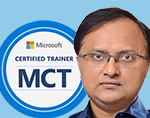
Rajnish Kumar Jha, MCT: DevOps, Azure, Microsoft Certified Trainer
DevOps, Cloud, Azure resources & blog
Author: Rajnish Kumar Jha
Featured Courses

Rajnish Kumar Jha
MCT, MCSA, MCSE, MCAD, MCPD, MCTS, MCSD
My name is Rajnish Kumar Jha. I am Technical architect on Azure Cloud and .NET since 21+ years. I’ve worked for pioneer companies and as freelance trainer/consultant helping my clients to achieve their IT goals.
I find blogging, a great way to share back what I’ve learned all through my professional journey. You are welcome to connect or share feedback/suggestion here or through an email.
My MCT card (Microsoft)
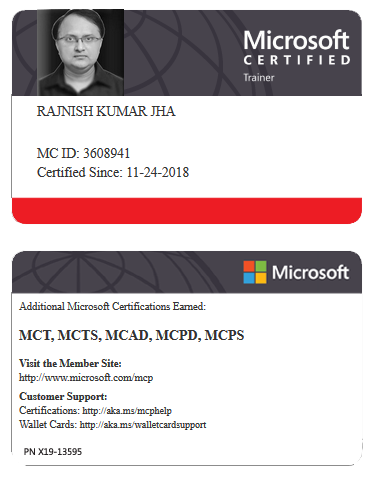
My Certifications





Popular Posts





Stay Connected
Unlock the full potential of Azure Cloud with me
– Your trusted guide to Azure mastery!
SUBSCRIBE
My newsletter for exclusive content and offers. Type email and hit Enter.
No spam ever. Unsubscribe anytime.
Read the Privacy Policy.