-

Understand the Container Images in Azure
Container images are the portable, standalone packages that include everything needed to run a containerized application: the application code, runtime, libraries, environment variables, and configuration files. When you deploy containers in Azure, you typically work with container images to run your application on Azure Kubernetes… [ Read More ]
-
Comparative study on Containers vs. Virtual Machines
Here's a detailed comparison between Containers and Virtual Machines (VMs), highlighting their key differences, advantages, use cases, and best practices. Architecture Virtual Machines (VMs) Full OS Virtualization: VMs run a complete operating system (OS), including its own kernel, libraries, and system resources. They are abstracted… [ Read More ]
-
Learn the things to know between Containers vs. Virtual Machines
While both containers and VMs are used to run applications in isolated environments, they differ significantly in terms of architecture, resource utilization, use cases, and management. Below is a comprehensive comparison to help you understand the key differences, advantages, and considerations. Architecture Virtual Machines (VMs)… [ Read More ]
-
The things to consider when using Containers in Azure
When using containers in Azure, there are several important factors to consider to ensure optimal performance, security, scalability, and cost-effectiveness. Azure offers powerful container services like Azure Kubernetes Service (AKS), Azure Container Instances (ACI), Azure App Service for Containers, and Azure Container Registry (ACR), but… [ Read More ]
-
Learn the things to know about Containers in Azure
Azure provides several powerful services for managing and deploying containers, helping you leverage the benefits of containerization (such as portability, scalability, and efficiency) in the cloud. If you're planning to use containers in Azure, it's important to understand the key features, services, and best practices… [ Read More ]
-
Learn the things to consider when using Azure Containers
When using containers, there are several important considerations to ensure that your applications run efficiently, securely, and with minimal operational overhead. Containers offer significant benefits like portability, scalability, and efficiency, but they also introduce challenges related to security, performance, networking, and orchestration. Here are the… [ Read More ]
-
The things to know about Azure Containers
Containers are a form of lightweight, portable, and efficient virtualization that enables developers to package and run applications along with all their dependencies in isolated environments. They offer many advantages for software development, deployment, and scaling, particularly when using container orchestration platforms like Kubernetes. Here… [ Read More ]
-

What is User-Defined Routes (UDR) in Azure
User-Defined Routes (UDRs) in Azure allow you to create custom routing rules that override or complement the default system routes in a virtual network (VNet). These routes provide granular control over the flow of network traffic between Azure resources, on-premises networks, and external destinations. Key… [ Read More ]
-
What is Routing in Azure
Routing in Azure is the process of directing network traffic between different resources within Azure, on-premises networks, and the internet. It defines how packets travel within virtual networks (VNets) or between VNets, subnets, and external networks. Azure uses a combination of system routes and user-defined… [ Read More ]
-
What is Azure Load Balancer and what are its types
A load balancer is a device or software that distributes incoming network traffic across multiple servers to ensure no single server becomes overwhelmed. This improves the reliability, availability, and scalability of applications. Load balancers act as intermediaries between clients and servers, optimizing resource use, maximizing… [ Read More ]

Rajnish Kumar Jha, MCT: DevOps, Azure, Microsoft Certified Trainer
DevOps, Cloud, Azure resources & blog
Author: Rajnish Kumar Jha
Featured Courses

Rajnish Kumar Jha
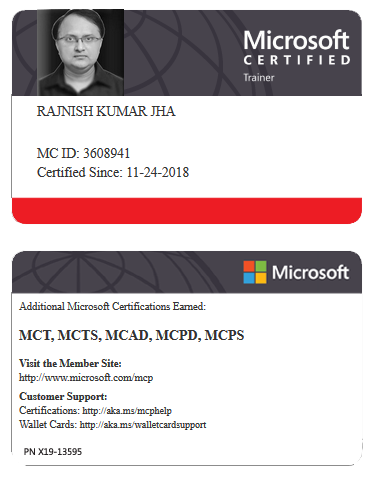
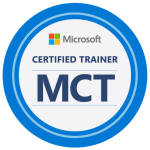
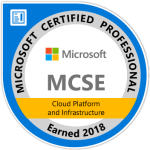
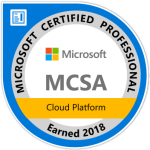
MCT, MCSA, MCSE, MCAD, MCPD, MCTS, MCSD
My name is Rajnish Kumar Jha. I am Technical architect on Azure Cloud and .NET since 21+ years. I’ve worked for pioneer companies and as freelance trainer/consultant helping my clients to achieve their IT goals.
I find blogging, a great way to share back what I’ve learned all through my professional journey. You are welcome to connect or share feedback/suggestion here or through an email.
My MCT card (Microsoft)
My Certifications








Popular Posts





Stay Connected
Unlock the full potential of Azure Cloud with me
– Your trusted guide to Azure mastery!
SUBSCRIBE
My newsletter for exclusive content and offers. Type email and hit Enter.
No spam ever. Unsubscribe anytime.
Read the Privacy Policy.