-
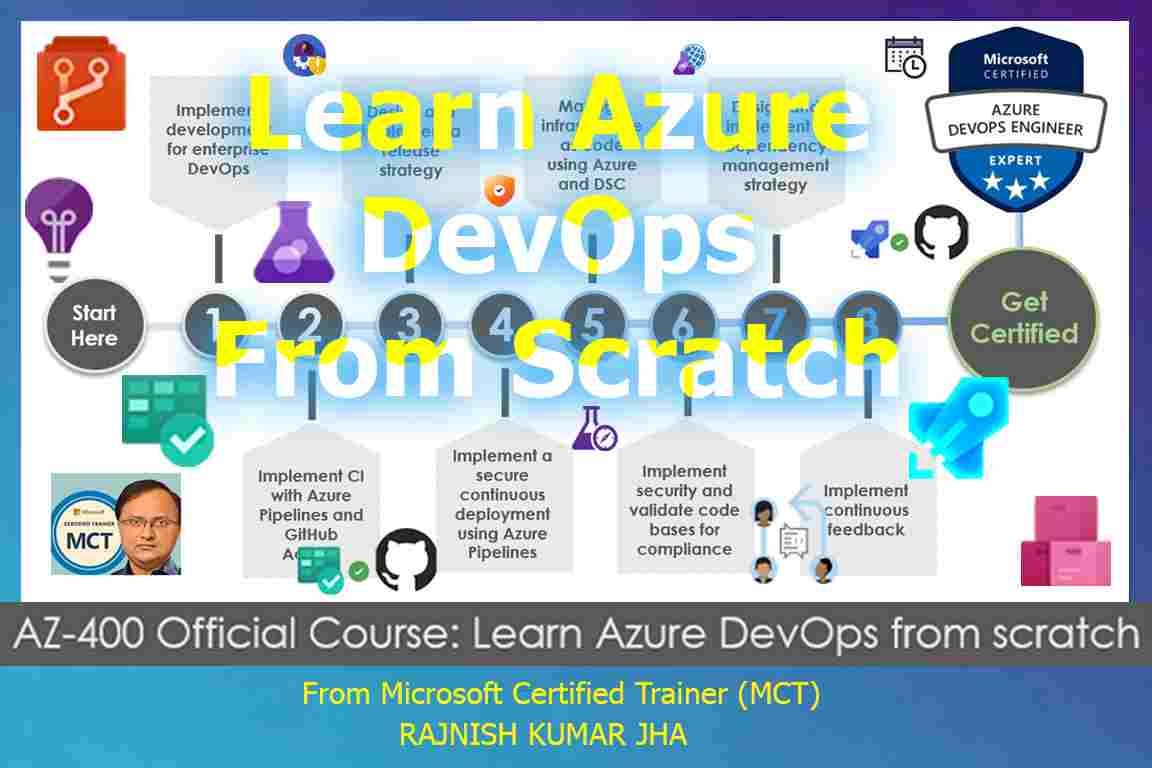
Learn how to mark releases with Git tags in GitHub Actions
Learn how to mark releases with Git tags in GitHub Actions Git tags are a powerful way to mark specific points in the repository history, such as stable releases or milestones. Using Git tags in GitHub Actions allows you to create, update, and manage tags… [ Read More ]
-

How to manage cost while using Azure Cloud Services
Managing costs in Azure is crucial for businesses to ensure that they optimize their spending on cloud services, prevent unexpected billing surprises, and align cloud costs with organizational budgets. Azure offers several tools and strategies to help track, manage, and reduce cloud costs effectively. Here's… [ Read More ]
-
The best practices to follow when creating Actions in GitHub
The best practices to follow when creating Actions in GitHub Creating GitHub Actions that are efficient, reusable, and well-maintained involves adhering to best practices. Here’s a detailed look at how to create effective GitHub Actions. 1. Create Chainable Actions Chainable Actions are actions that can… [ Read More ]
-

Learn about the composition of an Activity Log Alert in Azure
The composition of an Activity Log Alert in Azure involves several key components that work together to monitor and notify you about specific activities or events within your Azure environment. These components allow you to customize the alert to monitor specific actions, events, and conditions.… [ Read More ]
-
Learn the best practices for creating Actions in GitHub
Learn the best practices for creating Actions in GitHub GitHub Actions are powerful tools for automating workflows within repositories. Creating effective, maintainable, and secure actions is essential for a smooth CI/CD pipeline. Here are some best practices for creating actions. 1. Organize and Structure Your… [ Read More ]
-
Exploring the Workflow Badges in GitHub
Exploring the Workflow Badges in GitHub Workflow badges provide a visual indicator of the status of workflows (e.g., build status, test results) directly within your repository. These badges help developers and collaborators quickly understand the health of the CI/CD pipeline at a glance. Types of… [ Read More ]
-
Learn how to share artifacts between jobs in GitHub CI/CD workflows
Learn how to share artifacts between jobs in GitHub CI/CD workflows In GitHub Actions, artifacts allow files or directories to be shared between jobs in a workflow. This can be useful for passing data, build outputs, test results, or deployment artifacts across different steps or… [ Read More ]
-
Examining environment variables in GitHub CI workflows
Examining environment variables in GitHub CI workflows Environment variables in GitHub Actions provide a way to store and access sensitive information, configuration values, or temporary data across jobs and steps in CI/CD workflows. These variables are critical for managing secrets, configuring build environments, and ensuring… [ Read More ]
-
Learning continuous integration (CI) with Actions in GitHub
Learning continuous integration (CI) with Actions in GitHub Continuous Integration (CI) is a software development practice where code changes are automatically built, tested, and validated upon integration into a shared repository. GitHub Actions provides a seamless way to implement CI pipelines directly within your GitHub… [ Read More ]
-
Hands-on demo – Testing an Action in GitHub
Hands-on demo – Testing an Action in GitHub Below is a step-by-step demo to test a custom GitHub Action. We'll create a local test workflow to validate the action's functionality. Prerequisites A GitHub repository with a custom action defined (e.g., JavaScript/TypeScript or Docker-based). Basic knowledge… [ Read More ]
Rajnish Kumar Jha, MCT: DevOps, Azure, Microsoft Certified Trainer
DevOps, Cloud, Azure resources & blog
Author: Rajnish Kumar Jha
Featured Courses

Rajnish Kumar Jha
MCT, MCSA, MCSE, MCAD, MCPD, MCTS, MCSD
My name is Rajnish Kumar Jha. I am Technical architect on Azure Cloud and .NET since 21+ years. I’ve worked for pioneer companies and as freelance trainer/consultant helping my clients to achieve their IT goals.
I find blogging, a great way to share back what I’ve learned all through my professional journey. You are welcome to connect or share feedback/suggestion here or through an email.
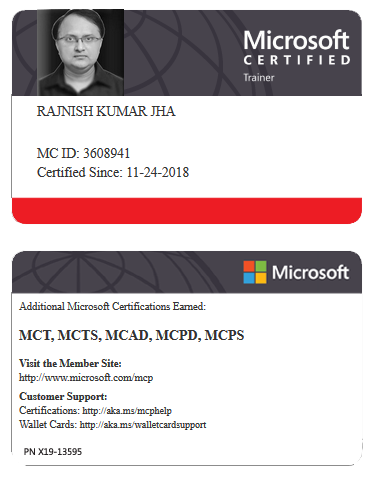
My MCT card (Microsoft)
My Certifications








Popular Posts





Stay Connected
Unlock the full potential of Azure Cloud with me
– Your trusted guide to Azure mastery!
SUBSCRIBE
My newsletter for exclusive content and offers. Type email and hit Enter.
No spam ever. Unsubscribe anytime.
Read the Privacy Policy.